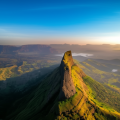
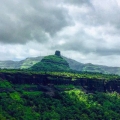
With the first light of dawn cracking through the clouds, I stood in the chilly silence of Harshewadi village, ready for the adventure that had long lived on my bucket list the trek to Harihar Fort, one of Maharashtra’s most thrilling destinations.
What made it extra special? Today was Dasara, a day of victory and auspicious beginnings. What better way to mark it than by standing atop a historic fort?
History of Harihar Fort
Harihar Fort, also known as Harshgad, was built in the 10th century by the Yadava dynasty to guard ancient trade routes between the Konkan coast and Nashik. Over time, it was ruled by the Bahmani Sultanate, Nizamshahi of Ahmednagar, and later became a part of Chhatrapati Shivaji Maharaj’s Maratha Empire.
Its strategic location at 3,676 feet, steep rock-cut steps, and unique design made it a powerful defense point. In 1818, the fort was captured by the British, and gradually fell into ruin, but its thrilling structure and historic legacy still attract trekkers and history lovers today.
Climbing Harihar: Into the Wild and Up the Iconic Stone Steps
The trek to Harihar Fort began with a walk through thick greenery, where birds chirped like nature’s welcome song. Just before reaching the base village Machi, we paused at the serene Vetal Dev temple, nestled quietly in the forest a spiritual checkpoint before the climb.
And then came the moment we’d all been waiting for the first sight of Harihar Khind and its legendary staircase. Towering above us were the rock-cut steps, sharply rising with barely enough space for comfort. These aren’t just steps they’re history sculpted into stone.
With steady nerves and focused steps, I climbed, gripping side notches and occasional rails carved into the rock. Every upward glance brought excitement, and every downward look, a thrill of fear.
These nearly vertical steps are what make the Harihar Fort trek famous a true test for both beginners and seasoned trekkers. But as I finally crossed this daring stretch and stepped through the Main Darwaja, I felt a surge of triumph. On this special Dasara morning, it wasn’t just a fort I had climbed it was fear, hesitation, and limitation I had left behind.
Exploring the Crown of Harihar Fort
Passing through the Main Darwaja, we stepped into a world where history lingers in every stone. To the left, we noticed the ancient Rajmarg route, once trodden by royal messengers and soldiers during the fort’s glorious past.
Inside the fort, we found three water reservoirs, still collecting monsoon water a sign of the fort’s once self-reliant ecosystem. A few steps ahead stood the Hanuman temple, where we bowed our heads and soaked in the festive vibes of Dasara, making our climb feel even more meaningful.
Another fascinating structure was the Dhanyakothar, a grain storage room from the fort’s operational days, offering a glimpse into the daily life that once thrived here.
Finally, we reached the highest accessible point of the fort the apex, where the view left us awestruck. The Trimbak Range stretched far and wide, and the mighty Vaitarna Dam shimmered in the distance like a jewel in the valley. With the cool breeze and floating clouds around us, it felt like standing on the roof of Maharashtra a moment that will live in memory forever.
Final Thoughts
Descending Harihar was just as thrilling as climbing it, but my heart was light, filled with a sense of achievement. The combination of nature, thrill, and history makes this trek one of the most unique experiences in Maharashtra.
If you’re planning to do the Harihar Fort trek, go with preparation, respect the challenge, and take in every moment from the Vetal Dev temple to the stunning views from the top.
Because Harihar Fort isn’t just a trek it’s a story of courage, devotion, and the unshakable beauty of the Sahyadri mountains.